




Garniture Tape Brand Market Insight
In cigarette manufacturing, garniture tape is a small but essential consumable that directly impacts forming quality, machine stability, and overall production efficiency. In daily operations, manufacturers often face recurring challenges such as frequent replacement cycles, inconsistent product quality, and the need to balance durability with cost control.
These challenges become even more critical in high-speed production environments, where stability and continuity are closely tied to overall output efficiency.
Industry Reference
In the global market, Esband is widely recognized as a long-established reference for high-performance garniture tape solutions, known for its consistency and reliability in demanding production conditions.
At the same time, evolving production needs and cost structures have led many manufacturers to consider a broader range of sourcing options that better align with their specific operational requirements.
Evolving Supply Landscape
Within this shifting landscape, a number of alternative solutions have become increasingly present across different production environments.
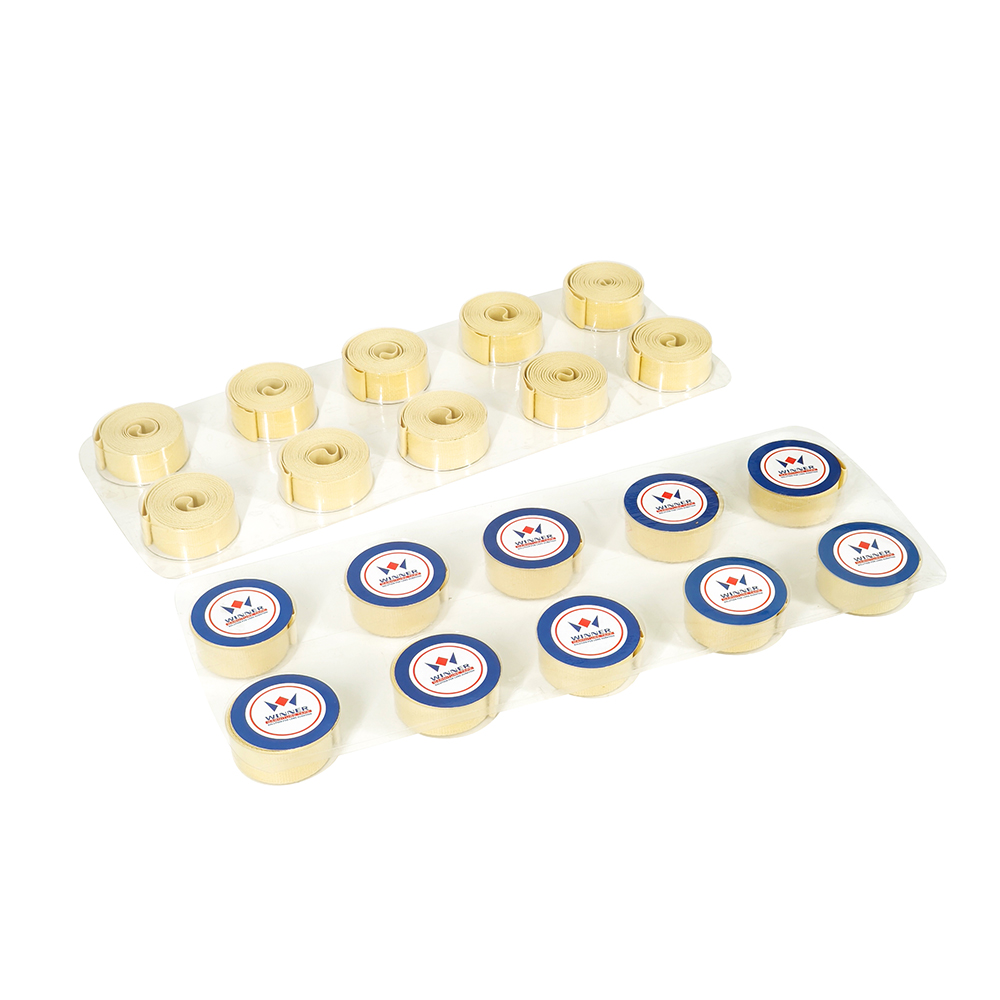
In more cost-sensitive applications, Winner is often selected for its straightforward and accessible approach, offering a practical option for standard production needs and situations where flexibility in procurement is important.
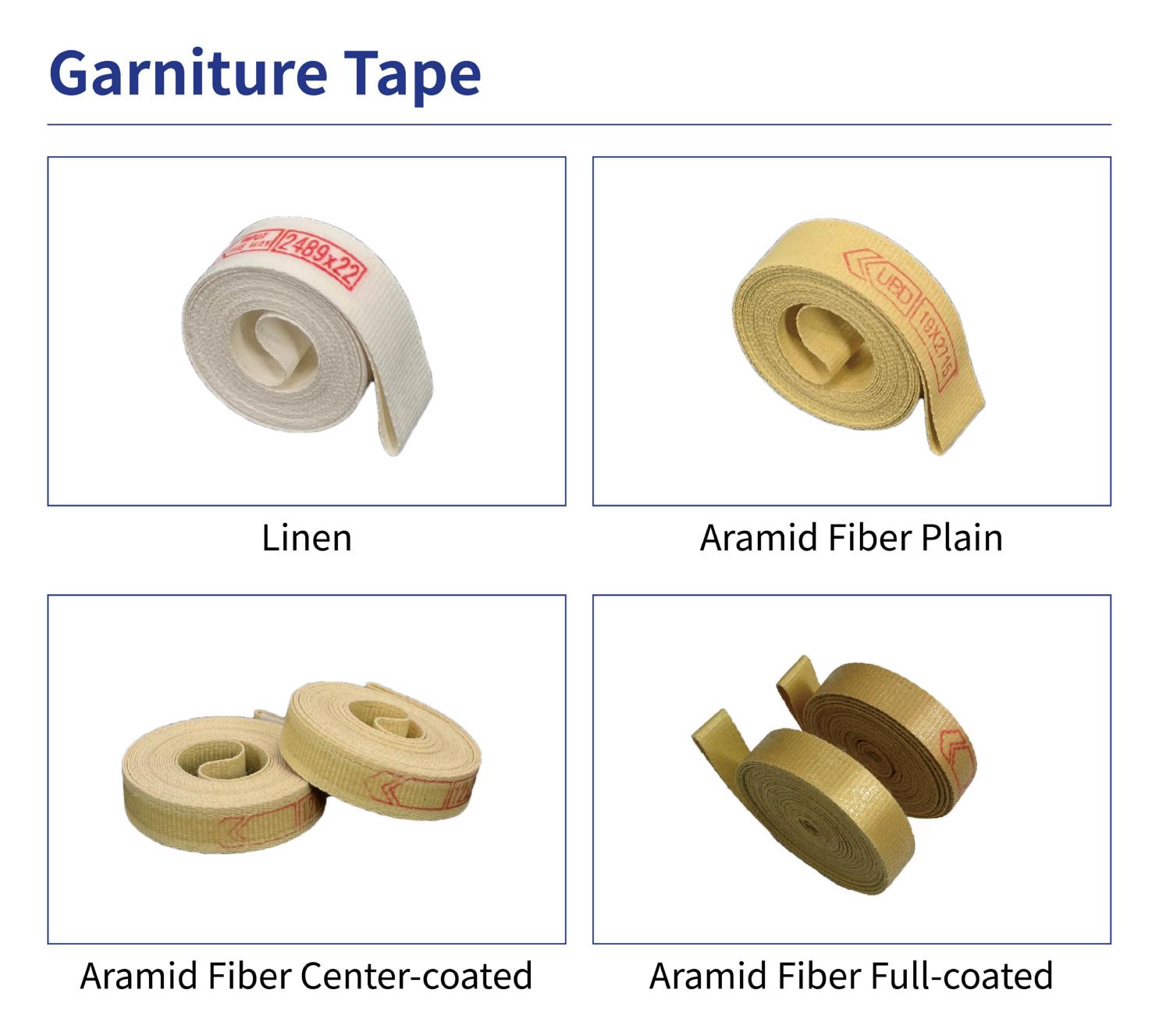
For operations that place greater emphasis on consistency and long-term performance, Upperbond is frequently applied, particularly where stable batch quality, material options such as linen or aramid fiber, and compatibility with mainstream machine models are key considerations.
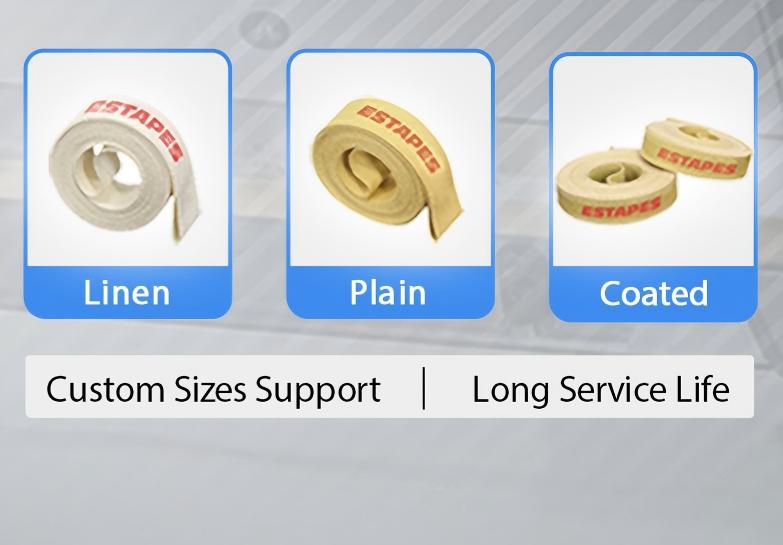
Meanwhile, Estapes is commonly seen in environments that require a balanced approach, supporting a range of machine types and production setups while maintaining steady performance under routine operating conditions.
Procurement Perspective
In practice, procurement decisions are increasingly shaped by operational factors rather than unit price alone. Service life, replacement frequency, and the impact on machine uptime all play a role in determining overall efficiency.
As a result, different solutions are often adopted based on specific production contexts, forming a more flexible and application-driven sourcing strategy.
The garniture tape market continues to evolve toward a more diversified structure, where an established benchmark such as Esband coexists with a range of widely used alternatives including Winner, Upperbond, and Estapes.
Winner Garniture Tape: https://www.tobaccosources.com/sale-496881-winner-garniture-tape-for-cigarette-rod-forming-machine-molins-mk8-mk9.htm
Winner Garniture Tape: https://www.tobaccosources.com/sale-496881-winner-garniture-tape-for-cigarette-rod-forming-machine-molins-mk8-mk9.htm
Upperbond Garniture Tape: https://www.tobaccosources.com/sale-458687-plain-aramid-fiber-garniture-tape-for-decoufle-cigarette-making-machine.htm
Estapes Garniture Tape: https://www.tobaccosources.com/sale-496863-estapes-aramid-garniture-tape-full-center-coated-for-protos-70-80-90e-2-p-2-2-spare-parts.htm